





My Story:
aka the "Money Godmother"
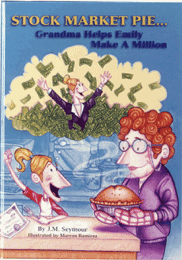
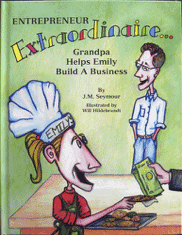
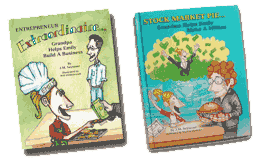
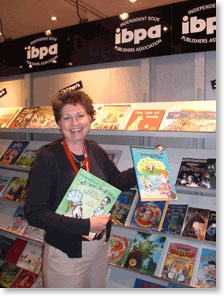
My journey into financial education started as a young teenager. The oldest child in a large family, I had a ringside seat when my parents made financial decisions. My father, a business owner and farmer, taught us to be resourceful and not waste what we had. All six of us had a part-time job when we turned 14 - and a savings account to go with it. My mother, the entrepreneur, taught us how to cook, garden, sew and have fun in the process. Mom made finding the best coupons a game, while Dad made sure we could do math problems in our head. We learned plenty about money, like stashing away extra cash and tossing a few coins into the Sunday collection basket. These things became habits.Joanne approaches financial education from the perspective of a concerned mother. After struggling to find age-appropriate materials to use with her own children, she drew upon her education in consumer economics and journalism to research and create her own. Soon, other parents, teachers and home schoolers were requesting her ideas and materials. Today, Joanne is a thought leader in financial education, with books, games and curriculum in hundreds of schools and thousands of homes. She is shown here at Book Expo America in New York, holding two of her children's' books on exhibit.
Though informal, this early money education was a big influence on my financial education philosophy. I know first-hand the importance of starting early and having a savings habit. Listening to my parents discuss their wants and needs taught me about priorities, making choices, budgeting and delayed gratification. The resourcefulness and can-do attitude I learned gave me confidence to be an entrepreneur as a young adult and start investing.
At the time, I didn't realize my parents were teaching us financial skills and behaviors we really needed - perhaps the greatest legacy of all.
Financial Education From A Mom's Viewpoint
So as our own children grew, I sought resources and tools to drive home similar money and entrepreneurship lessons. While there were many good books and some games for adults, few really appealed to the kids' developmental age. Fewer yet could easily help parents teach about money, investing and side hustles. True to my entrepreneurial roots, I began creating products that worked.
The first realization was parents need a basic plan - a template to organize. Relax, I am NOT suggesting a 3-ring binder of stuff you will never use. What parents can use is a simple process for gathering and communicating knowledge, teaching skills and instilling good habits. That has evolved into our "Save Yourself" Financial Education Platform for Families.
"Save Yourself" features the three legs of financial education - knowledge, skills and behaviors. Often ignored is the behavior leg - where children learn good habits, rewards of saving and investing, joys of sharing and more. This is why so many young adults understand the mathematics of money, but lack the discipline to do what they know they should be doing financially. That's also why parents need to be involved. Parents can ensure their kids develop all three legs of the stool - knowledge, skills and behaviors/habits.
There is no magic formula to achieve financial success. Frankly, it requires some work and patience. But, if you follow my simple "Save Yourself" platform, the odds your children will become money-savvy adults are greatly increased.
Why the Money Godmother Label?
You remember the story of the fairy godmother who mentored Cinderella? That encouragement, along with a dose of wisdom from a mentor, helped Cinderella find confidence and happiness. My role as The Money Godmother is much the same...to provide information, insights, encouragement and confidence in the financial world. I try to do that through my Money Godmother Blog and my newsletter. You can subscribe at www.moneygodmotherblog.com.

Who Do We Help?
Today, I spend time as a financial educator, content provider and consultant. This includes running seminars, giving speeches, visiting classrooms, writing and creating games, books and other products. I also serve on several national and regional financial education initiatives, such as Money Smart Week, Iowa JumpStart Coalition, community groups and foundations.
Chuck (a fantastic husband and entrepreneur) and I also help others launch new business ventures and side hustles. DynaMinds Publishing, a company that creates custom educational products for a variety of clients, ranging from books, comics and graphic novels to games, contests, piggy banks and calendars.
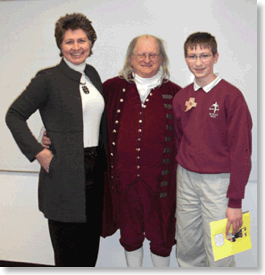
Ben Franklin recently toured Iowa classrooms with me as part of Money Smart Week, a program of the Federal Reserve Bank of Chicago. That's me with Ben and a middle school student holding the "Be Money Smart" comic book. Ben's visits were a fantastic way to raise financial awareness in schools, and the comic book has been a big hit, too. The program is an excellent example of how, with a bit of work and creativity, you can get children excited about money management.